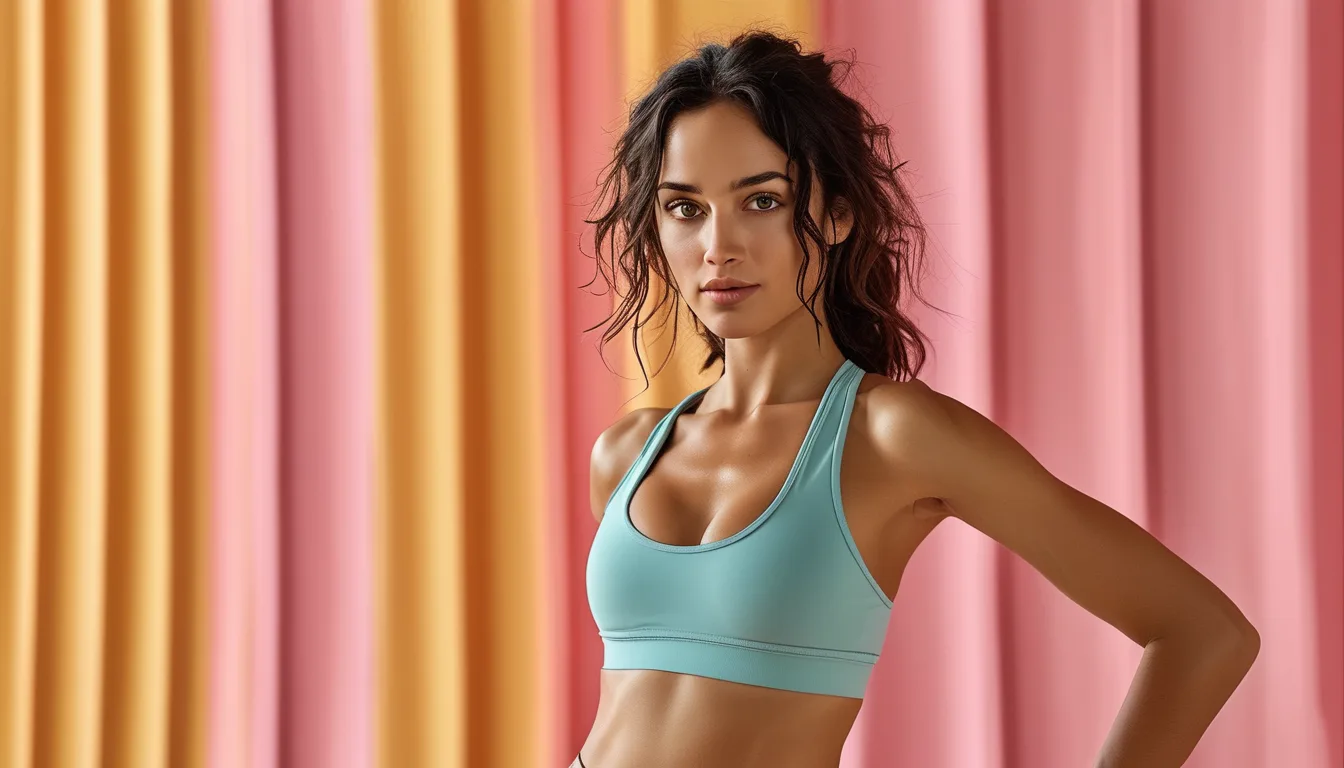
How Many Bra Tops Do You Actually Need in Rotation?
Quick Answer: For most people training three to five times a week, five to seven bra tops is the practical number - enough to always have a clean one, and enough that each garment gets recovery time between wears. Elastic needs roughly 24 hours to return to shape, so wearing the same one on consecutive days measurably shortens its life. The bigger issue for most wardrobes is not quantity but distribution: too many medium-support tops, and not enough at either end.
You open the drawer, and there are eleven bra tops, and four of them are the same grey one at different stages of dying.
The count is rarely the real problem. The mix is.

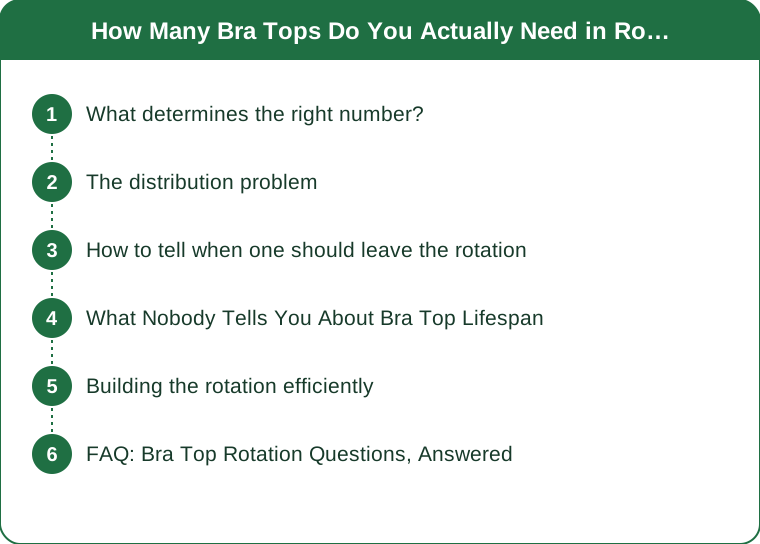
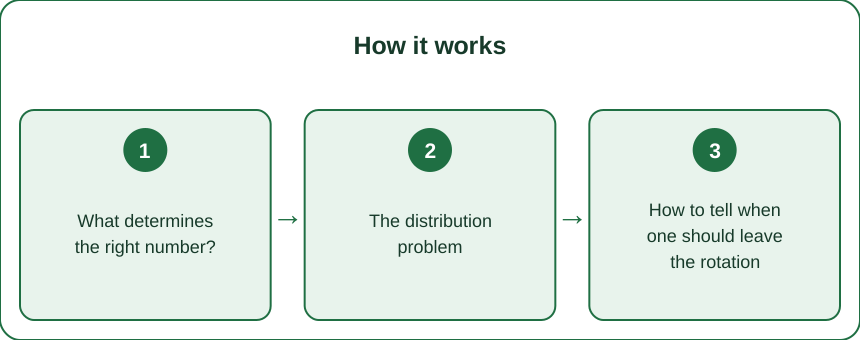
What determines the right number?
Three things: how often you train, how often you do laundry, and how long elastic takes to recover.
Start with training frequency. If you train four times a week and wash weekly, you need at least four, plus a buffer for the days you sweat through something unexpectedly or wear one under a top on a warm day.
Then the recovery factor, which is the part most people have never heard. The elastane in a bra top stretches under load and returns to shape over the following day or so. Wearing the same one two days in a row means it starts the second session already slightly stretched, and repeated over months, that permanently reduces the support it provides.
So the working formula is roughly: your weekly training frequency, plus one or two.
- Training 2 to 3 times a week: 4 to 5 is plenty
- Training 4 to 5 times: 5 to 7
- Training 6 or more, or washing less often: 7 to 9
Beyond about nine, extra tops mostly age in a drawer rather than getting used, and elastic degrades slowly even unworn.
The distribution problem
Almost every drawer has the same imbalance: a large middle and thin edges.
The useful way to think about it is by what the top has to do rather than by colour or brand.
High support, 2 to 3. For running, HIIT, jumping - anything with sustained impact. This is the category people are most likely to be short of, and it is the one where getting it wrong is uncomfortable rather than merely imperfect.
Medium support, 2 to 3. For strength training, cycling, most classes. This is usually the overstocked category.
Light support or layering, 1 to 2. For yoga, pilates, walking, and wearing under clothes. These get worn far more often than people expect, because they double as everyday layering pieces in warm weather.
One that looks good on its own. Whatever that means for you - a longline, a strappy back, a colour you actually like. Realistically it gets worn more than several of the technical ones.
If you are buying and unsure, the honest question is which of those four categories you are actually short in. Most people answer high support once they look.
How to tell when one should leave the rotation
The band is the tell, not the fabric. Support in a bra top comes mostly from the band, and the band goes first.
The signs, in order of how early they appear:
- The band rides up during a session when it did not used to. This is the earliest reliable sign and it usually appears before anything looks worn.
- You have moved to the tightest hook or the tightest adjustment, and it still feels loose.
- The band twists or rolls under a top.
- Straps that need constant retightening within a single session.
- Visible loss of recovery - the fabric no longer springs back when stretched between two hands.
Wear count is a rough guide - many people find high-use bra tops lose meaningful support somewhere in the range of 30 to 50 washes - but the band test is more reliable than counting, because how you wash and dry it matters enormously.
A practical habit: when a top fails the band test, move it out of the training rotation rather than throwing it out. It usually has months left as a layering piece under clothes, where support is not the job.
What Nobody Tells You About Bra Top Lifespan
The dryer is the main killer. Heat degrades elastane faster than anything else in normal use. Air drying roughly doubles the useful life of most bra tops, and it costs nothing but planning.
Fabric softener destroys wicking. It leaves a coating that blocks the fabric’s ability to move moisture, which is the specific thing you paid extra for. It also traps odour, which is why some tops smell even after washing.
Wringing them out is worse than it looks. Twisting damages elastic fibres directly. Press water out instead.
Rotation beats gentle treatment. A person who owns seven and rotates them will get more total wears than a person who owns three and treats them beautifully, because the recovery time is doing more work than the care routine.
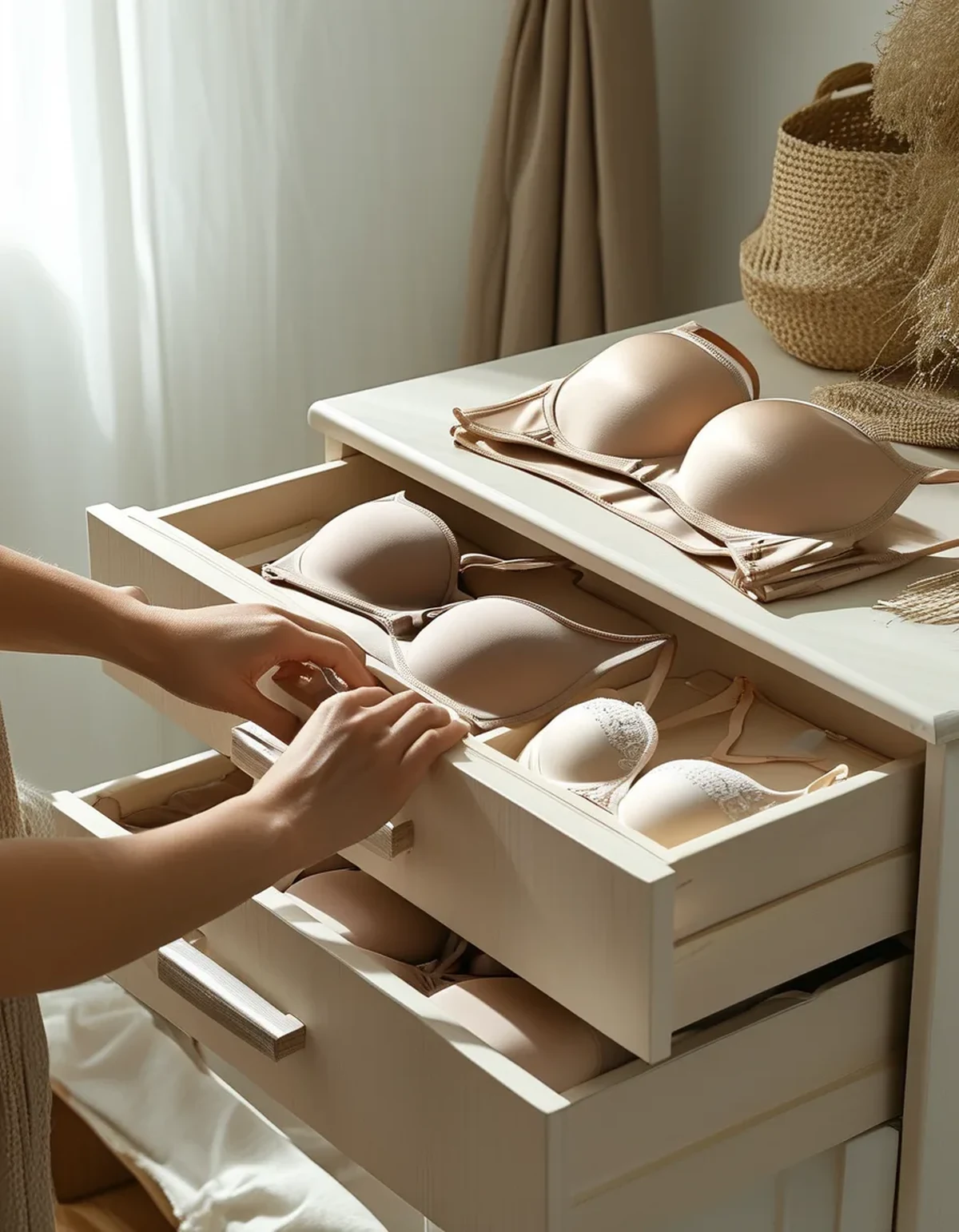
Storage matters more than you would think. Stuffing a moulded-cup top into a crowded drawer deforms the cups permanently. Stack them flat rather than folding cups inward.
Sweat is acidic and it does not wait. A damp top left in a bag overnight degrades faster and holds odour permanently. If you cannot wash it, at least dry it out.
Building the rotation efficiently
If you are starting from a drawer of mostly worn-out mediums, the efficient rebuild is not to replace everything at once.
Buy the high-support one first, and buy it properly. This is the category where fit matters most and where cheap options are most likely to disappoint. It is also the one you will notice immediately.
Then fill the gaps you identified, not the categories you are already deep in.
Buy two of anything that genuinely works. The single most useful shopping rule in activewear. When a specific style and size fits well, a second one costs nothing in decision-making and it is the surest way to have something good available on laundry day.
Time it with end-of-season sales. Late summer is a genuinely good moment - warm-weather stock is clearing and the styles are not seasonal.
Retire on a schedule rather than on failure. Checking the band on everything twice a year, rather than discovering mid-run that a top has quietly stopped working, is a much better system.
FAQ: Bra Top Rotation Questions, Answered
Can I wear the same bra top two days in a row?
You can, and it shortens its life. Elastic needs roughly a day to recover its shape, so consecutive wears mean it never fully returns. If you train daily, a rotation of at least five means it never has to happen.
Does hand washing really make a difference?
Less than avoiding the dryer does. A gentle machine cycle in a mesh bag, cool water, no softener, then air dry, is close to as good as hand washing and much more likely to actually happen.
Is it worth spending more on a high-support top?
Generally yes, in that category specifically. Fit, band construction, and strap design vary far more at the high-support end than in light-support tops, where most options are similar. Spend where the engineering matters.
How do I know my size has not changed?
Body size shifts over years and so do bra tops after a few dozen washes, and it is easy to confuse the two. If several tops suddenly feel wrong at once, that is more likely to be you than all of them - worth remeasuring rather than replacing everything in the same size.
TL;DR:
- The working number is roughly your weekly training frequency plus one or two - typically five to seven.
- Elastic needs about 24 hours to recover, so consecutive wears permanently shorten support.
- Most drawers are overstocked on medium support and short on high support and light layering.
- The band riding up is the earliest reliable sign a top has lost its support.
- The dryer and fabric softener do more damage than wear does. Air dry, skip the softener.
- When something fits well, buy two. It is the single most useful activewear rule.
Seven that work and get rotated will outlast eleven that sit in a drawer waiting their turn - and the drawer will make more sense every morning.
See It in Motion
Seen here: UPF 50+ Short Sleeve Rashguard Swim Shirt — shop it on bubblelime.com
Keep Reading
This article is for general informational and styling purposes only. Fit, sizing, and product availability may vary.