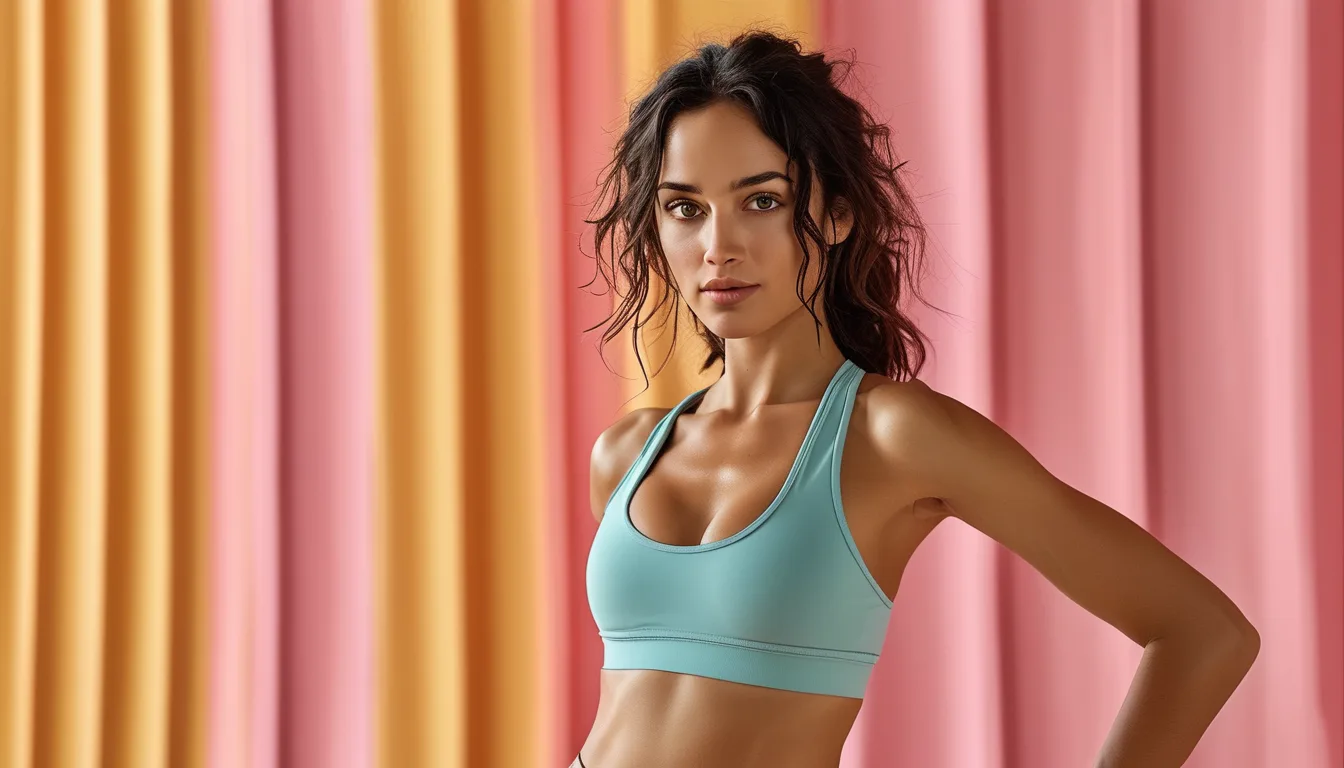
Which Bra Top Support Level Actually Matches Your Cup Size?
Quick Answer: Low support works for A-B cups and low-impact activity, medium support suits B-C cups for moderate movement, and high support with wide straps and full coverage is recommended for C+ cups or any high-impact activity — support labels alone don’t account for actual cup size the way they should.
Support level labels are a starting point, not a guarantee, especially once cup size increases past what most bra tops are actually tested for.

Why don’t support labels alone tell the full story?
Brands often test support ratings on a narrow size range (frequently A-B cup mannequins), which means a “high support” label doesn’t necessarily deliver equivalent support at a D cup — the same compression fabric stretches differently and provides proportionally less containment as cup volume increases.
What actually matters more than the label for larger busts?
Wide straps (over 1 inch), a wider band, and encapsulation seaming (separate cups rather than one compression panel) matter more than the printed support level for C+ cups. Compression-only bra tops, regardless of their “high support” label, tend to under-support larger busts during real movement.

How should smaller cup sizes think about support level?
A-B cups have more flexibility to choose based on style rather than pure function, since compression-style low-to-medium support genuinely works well at this size range even during moderate activity. Support level for smaller cups can prioritize look and coverage preference.
5 Mistakes People Make Buying Bra Tops by Support Level
- Trusting the “high support” label without checking strap width and seaming.
- Buying based on general size (S/M/L) instead of actual band and cup measurements.
- Assuming compression-only styles work the same across all cup sizes.
- Not testing range of motion (jumping jacks) in the fitting room or at home before removing tags.
- Ignoring band stretch over time, which reduces support months into ownership.
FAQ: Bra Top Support Questions, Answered
Do encapsulation bra tops run bigger or smaller than compression styles?
They often run slightly differently since cups are shaped separately — checking size charts per style, not per brand, is more reliable.
Is high support ever necessary for low-impact activity?
Not strictly necessary, but larger busts often find it more comfortable regardless of activity intensity, since it reduces overall movement.
How often should bra tops be replaced for support to stay reliable?
Elastic support typically degrades noticeably after 6-12 months of regular wear and washing, sooner with high-intensity use.
TL;DR:
- Support labels are tested on narrower size ranges than they’re sold to, especially at larger cups
- C+ cups should prioritize strap width and encapsulation seaming over the printed label
- A-B cups have more flexibility to choose by style preference
- Replace bra tops every 6-12 months as elastic support degrades
The label is a starting filter, not the final answer — the strap width and seaming tell you more than the word “high” ever will.
See It in Motion
Seen here: Crewneck Short Sleeve Workout T-Shirt — shop it on bubblelime.com
Keep Reading
This article is for general informational and styling purposes only. Fit, sizing, and product availability may vary.